


Comparing Concrete Blocks and Bricks What Should You Choose in 2026
Bricks vs Concrete Blocks: Which Building Material is Better in 2026?
You may ask which is better for building—bricks or concrete blocks. In 2026, your choice depends on what matters most to you. If you like beauty and a classic look, bricks are a good pick. Concrete blocks are cheaper and work well for big projects. Look at the table below to see how each material meets common needs:
| Factor | Bricks | Concrete Blocks |
|---|---|---|
| Cost | Higher, for looks | Cheaper |
| Durability | Handles tough weather | Holds heavy loads |
| Construction Speed | Slower | Faster |
| Sound Insulation | Better | Not focused on |
You can talk to an aac plant manufacturer for special block choices. Always think about which is best for your project.
Bricks vs Concrete Blocks Overview
What Is a Brick
You see bricks in many buildings around you. A brick is a small, rectangular block made from sand, lime, and concrete materials. You find bricks in walls, walkways, and even fireplaces. Bricks have a long history as one of the oldest construction materials. They give a classic look and last for many years. In 2026, you can find new types of bricks, like insulated and acoustic bricks, that help with energy savings and sound control.
What Is a Concrete Block
A concrete block is larger than a brick. You use blocks when you want to build something fast and strong. Concrete blocks come from crushed sand or stone mixed with cement. These blocks are heavy and need strong handling. You see blocks in big buildings, schools, and factories. Modern blocks can be made with recycled materials, which helps the environment.
Difference Between Bricks and Concrete Blocks
You may wonder about the difference between bricks and concrete blocks. The table below shows how they compare:
| Feature | Bricks | Concrete Blocks |
|---|---|---|
| Composition | Sand, lime, concrete materials | Aggregate (crushed sand or stone) |
| Size | Smaller, traditional | Larger, speeds up construction |
| Weight | Lighter | Heavier |
| Water Resistance | Lower | Higher |
| Compressive Strength | Lower | Higher |
| Longevity | Can last hundreds of years | Efficient for up to 100 years |
| Aesthetic Appeal | Keeps appearance over time | Can be painted easily |
When you compare bricks vs concrete blocks, you see that bricks offer beauty and tradition, while blocks give you speed and strength. You should choose based on your project needs. Bricks work well for homes and small buildings. Blocks fit large projects and places that need strong walls. Both bricks and blocks play a big role in modern construction materials.
Strength and Durability Comparison
Concrete Block Strength
You want your building to last a long time. Concrete blocks are very strong and give good support. Most regular concrete blocks have strength between 1,900 and 3,500 PSI. Some special concrete masonry units can be over 4,500 PSI. This makes concrete blocks great for walls that hold heavy things. You often see concrete blocks in foundations and big buildings. Concrete blocks can hold up many floors or heavy machines.
Here is a table that shows how strong some building materials are:
| Material | Typical Compressive Strength |
|---|---|
| Standard Concrete Block | 1,900-3,500 PSI |
| High-Strength CMU | 4,500+ PSI |
| Standard Clay Brick | 1,500-3,000 PSI |
| Engineering Brick | 5,000-10,000 PSI |
You can see concrete blocks are usually stronger than regular bricks. Concrete blocks are best for foundations and support walls. They work well in tough weather and under heavy weight.
Brick Longevity
Bricks have been used for a very long time. You can find old buildings made from bricks that are still standing. Clay bricks can last from 100 to over 500 years. Some brick buildings have lasted up to 650 years if cared for. Clay bricks do not wear out fast and keep their color. Engineered bricks are even stronger and do not soak up much water. This makes them good for special building jobs.
Here is a table that shows how long different bricks last:
| Brick Type | Typical Lifespan Range | Key Characteristics |
|---|---|---|
| Traditional Clay Bricks | 100-500+ years (up to 650) | Excellent weather resistance, high durability |
| Engineered Bricks | 150+ years | High strength, low water absorption |
| Concrete Bricks | 50-100 years | Versatile, but more susceptible to frost |
Bricks are strong and last a long time. Clay bricks need little care and keep buildings looking nice for years. Concrete bricks last 50 to 100 years, which is not as long as clay bricks, but they still work well for many uses.
Brick buildings can last from 100 to over 500 years, and some last up to 650 years if conditions are good.
Clay bricks are tough and do not get damaged by weather easily.
Concrete bricks usually last 50 to 100 years, so they do not last as long as clay bricks.
Water Resistance and Weather Performance
You want your building to stay safe from water and bad weather. Both bricks and concrete blocks do not burn easily. Bricks are naturally fire-resistant and help keep heat in. But bricks can crack in cold places where water freezes and thaws. Concrete blocks do not soak up much water. This helps stop mold and cracks when it is wet. Concrete blocks are good in places with lots of rain or snow.
Recent studies show concrete blocks last longer in wet or cold places. You can use concrete blocks for foundations and support walls in tough weather. Bricks are best for walls that look nice or where you want a classic style. Both bricks and concrete blocks protect against fire, but the time they last is different:
| Material | Fire Rating |
|---|---|
| 4” solid brick | 1-2 hours |
| 4” CMU (hollow) | 1 hour |
| 8” CMU (grouted) | 4 hours |
| 8” brick (solid) | 4 hours |
Tip: Pick concrete blocks for foundations and support walls, especially in places with tough weather. Use bricks for looks and tradition in easier spots.
Both bricks and concrete blocks protect well against fire. Concrete blocks are better at stopping water and weather damage. Bricks look nice and resist fire, but may need more care in cold, wet places.
Cost and Efficiency
Affordability of Concrete
You want a cost-effective choice for your project. Concrete blocks often give you the best value. Their larger size means you need fewer blocks, which lowers the total cost. Concrete blocks also help you finish projects faster. The speed of construction improves because you lay fewer units. This makes concrete a cost-effective choice for large buildings or walls. You also save on labor because workers can install blocks quickly. Concrete blocks resist water better than bricks, so you spend less on repairs.
Brick Cost Factors
Bricks offer a classic look, but you pay more for them. The cost of bricks depends on the type, color, and finish you choose. Bricks also need more time and skill to install. This increases the total cost. The table below shows what affects the cost efficiency of bricks and concrete blocks:
| Factor | Description |
|---|---|
| Strength | Concrete blocks can withstand 3500 psi, while clay bricks can take 3000 psi, affecting durability. |
| Exposure to Elements | Bricks are more prone to damage from weather due to porosity, while concrete blocks are more water-resistant. |
| Insulation Value | Bricks have higher thermal mass, providing better temperature regulation, while concrete blocks offer soundproofing. |
You may choose bricks for their beauty, but you should plan for higher costs.
Installation and Labor Efficiency
You want to finish your project on time and within budget. The speed of construction is faster with concrete blocks. You need fewer blocks, and workers install them quickly. Here is how labor and installation costs compare:
Block installation usually costs less because of the larger size. Labor costs range from $30 to $50 per hour.
Brick installation costs more due to detailed work. Labor costs range from $40 to $70 per hour.
Block installation costs $10 to $25 per square foot. Brick installation costs $15 to $35 per square foot.
If you want a cost-effective choice and faster speed, concrete blocks are the better option. Bricks give you style, but you pay more in labor and time.
Insulation and Sound Performance
Brick Insulation Benefits
You want your building to stay comfortable in every season. Bricks help you reach this goal because they provide natural thermal insulation. When you use bricks, you get walls that slow down heat transfer. This means your rooms stay cooler in summer and warmer in winter. Bricks also help you save energy by improving thermal efficiency. You can see how bricks compare to other materials in the table below:
| Material | Thickness | R-Value (F° · SQ.FT. · HR/BTU) |
|---|---|---|
| Common Brick | 4" | 0.80 |
| Face Brick | 4" | 0.44 |
| Concrete Masonry Unit (CMU) | 4" | 0.80 |
| Concrete Masonry Unit (CMU) | 8" | 1.11 |
| Concrete Masonry Unit (CMU) | 12" | 1.28 |
Bar chart comparing R-values of brick and concrete block walls at various thicknesses
Bricks do more than just look good. They help regulate indoor temperatures, which boosts thermal efficiency. You can count on bricks to keep your energy bills lower. When you choose bricks, you invest in comfort and long-term savings.
Concrete Block Sound Insulation
You may need quiet spaces in your building. Concrete blocks help you block out noise, especially when you use special types. Some concrete blocks with waste-tire rubber can reduce low-frequency sounds by up to 50%. This makes them great for blocking voices and street noise. You can see how bricks and concrete blocks perform in sound insulation:
Bricks and concrete blocks both reduce noise, but each works best at different frequencies.
Concrete blocks with special mixes work well for low sounds, like traffic or machinery.
For middle and high sounds, bricks and standard concrete blocks perform about the same.
The best sound insulation for human voices comes from certain concrete blocks between 150 and 500 Hz.
You can boost thermal insulation and thermal efficiency by adding extra layers to concrete block walls. This makes concrete blocks flexible for many building needs. You get strong walls, good sound control, and better energy savings.
Aesthetics and Design
Brick Versatility and Appeal
Bricks come in many colors and styles. They give buildings a classic look. You can pick smooth, rough, or patterned bricks. This helps you match your project's style. Bricks are used in homes, schools, and offices. You can build arches, curves, or straight lines with bricks. Architects use bricks to make spaces feel warm and special. You can mix bricks with glass or wood for cool designs.
Bricks let you use shading to stop rooms from getting too hot.
You can place windows to get more sunlight and warmth.
Big glass windows work well with bricks to keep rooms comfortable.
The results show new design ideas for brick and concrete block walls in 2026. These ideas focus on performance, being green, and creative looks.
Bricks help make energy-saving walls. You get better comfort and lower bills. Bricks are strong and last a long time. They keep your building looking nice for years. Brick styles always stay popular.
Concrete Block Design Options
Concrete blocks are good for bold, modern designs. They come in different sizes and shapes. You can stack blocks in patterns or leave them showing for an industrial style. Designers use blocks to make clean lines and big surfaces. You can paint or cover blocks to match your style. Concrete blocks work well with shading and big glass windows. These features help control light and temperature inside.
Energy-saving walls use concrete blocks to make rooms comfy.
You can mix blocks with other natural materials for a green design.
Concrete blocks give you strong walls and many design choices. Their look fits lots of business and factory projects. You can make a modern style and keep your building tough and efficient.
Maintenance and Longevity
Brick Maintenance Needs
If you want your building to last a long time, bricks can help. But you need to take care of them. Weather and water can slowly damage the mortar joints. You should check these joints every ten years. If you find cracks or holes, fix them soon. Cleaning bricks removes dirt and moss. Use gentle washing to keep bricks looking bright. Sometimes, white stains called efflorescence appear. You may need to treat these stains. A special sealant lets bricks breathe and keeps out water.
Here is a table that lists common brick care jobs and their costs over 25 years:
| Maintenance Task | Cost Range |
|---|---|
| Year 10: Mortar joint inspection | $300 - $500 |
| Year 15: Selective mortar joint repair | $1,200 - $2,000 |
| Year 20: Efflorescence treatment | $800 - $1,200 |
| Year 25: Major mortar joint restoration | $3,000 - $5,000 |
| Ongoing: Replacing individual bricks | $200 - $500 annually |
| Total 25-year maintenance: $8,500 - $13,200 | |
Bricks need regular care, but this keeps them strong and nice. Cleaning, fixing mortar, and waterproofing help bricks last longer.
Concrete Block Upkeep
Concrete blocks are strong and do not need as much care. Still, you should look for cracks or chips, especially after bad weather. Most concrete blocks last many years. How much work you do depends on the block quality and where you live. Clean the surface to get rid of dirt and stains. If you see damage, patch or replace the broken blocks. A water-repellent coating helps stop moisture from getting in.
Here is a table that compares bricks and concrete blocks for how long they last and what care they need:
| Material | Lifespan | Maintenance Requirements |
|---|---|---|
| Concrete Blocks | Can endure for several decades | Depends on quality and environmental exposure |
| Bricks | Requires proper maintenance to extend longevity | Regular cleaning, repointing, and waterproofing needed |
Tip: Check bricks and concrete blocks often and fix problems fast. This helps your building last longer and look good.
When to Choose Each Material
Best Uses for Bricks
Pick bricks if you want your building to look beautiful and strong. Bricks are great when you want a classic style and walls that last a long time. They are good for places that need fire safety and quiet rooms. Many homes, schools, and old buildings use bricks because they block noise and last for many years. The table below shows why bricks are a good choice for different projects:
| Project Type | Benefit of Using Bricks |
|---|---|
| Aesthetic Appeal | Timeless beauty and classic charm of structures |
| Fire Resistance | Superior protection for fireplaces and fire-prone areas |
| Sound Insulation | Better noise reduction for homes and schools |
| Longevity | Material that endures harsh weather and stands the test of time |
Bricks are a smart pick if you want your building to look nice and stay strong for a long time.
Best Uses for Concrete Blocks
Concrete blocks are best for big projects where you need to build fast. Use them for factories, schools, or business buildings. These blocks help you finish work quickly and save money on workers. Concrete blocks do not let water in easily and can handle bad weather. This makes them good for outside walls and building bases. You can paint or cover them to fit your design. If you want a modern look or need to finish fast, concrete blocks are a good choice.
AAC Plant Manufacturer Considerations
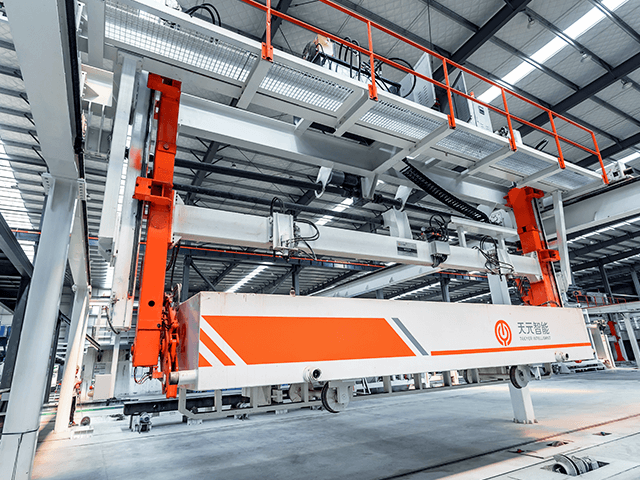
If you want to make concrete blocks, you need to pick the right aac plant manufacturer. The right company helps you get good blocks and support. Here are important things to think about:
Make sure the plant can make enough blocks for your needs.
More automation means less work and faster production.
Good quality control checks every block.
Energy-saving machines help you spend less money.
Easy maintenance and support keep your plant working well.
Check the cost and how much money you can make back.
Strong machines break down less often.
Simple controls make it easy to train workers.
Tip: Ask your aac plant manufacturer about setup, training, fixing, spare parts, and help. Make sure they have a team close by for fast service.
| Service Type | Why It Matters | What to Ask the Manufacturer |
|---|---|---|
| Installation | Ensures the plant is set up correctly | Do you provide on-site installation? |
| Training | Keeps your team skilled | Is training included? |
| Maintenance | Prevents breakdowns | How often do you offer maintenance? |
| Spare Parts | Reduces waiting time | Are spare parts easy to get? |
| Remote Support | Resolves issues quickly | Do you offer remote troubleshooting? |
| Local Service | Provides quick assistance | Is your team near my project site? |
Picking the right aac plant manufacturer helps you make better concrete blocks and run your business well.
Decision Guide
Checklist for Choosing Brick or Concrete
You want to pick the best material for your building. Use this checklist to help you decide. Go through each step before you choose bricks or concrete.
Think about your project type. Is it a house, school, business, or big factory?
Check how much wind, rain, or freezing weather your area gets.
Decide what your wall will do. Will it hold weight, split rooms, or be a base?
Pick the right standard. For bricks, use ASTM C216. For concrete, use ASTM C90, C129, or C1634.
Figure out how strong and dense you need your walls. Bricks are good for looks and holding weight. Concrete is better for heavy jobs and bases.
Make sure your lines and levels are straight and even.
Check your mortar mix and joints. Use the right mix for bricks or concrete.
Look at cavity widths, ties, insulation, and damp-proof layers.
Check all openings, lintels, and trays for water.
Keep your materials and finished walls safe from bad weather and damage.
Take pictures of sample panels. Make sure lines and joints are neat.
Check fire barriers, wall plates, padstones, and vents.
Tip: Always pick the material that fits your project. Bricks give a nice look and classic style. Concrete is fast and strong.
Here is a table to help you compare important points:
| Factor | Bricks | Concrete Blocks |
|---|---|---|
| Durability | Fire-safe, but can crack in freeze-thaw | Very tough, takes in less water |
| Installation Speed | Slower, needs skilled workers | Faster, bigger size |
| Insulation | Good natural insulation | Can add more insulation inside |
| Maintenance | Low, just clean sometimes | Low, but finishes may need fixing |
| Cost | Costs more for each piece | Cheaper and quicker to put in |
| Aesthetics | Classic, warm look | Industrial, can paint or cover |
| Structural Use | Good for looks and holding weight | Strong, best for bases |
Common Mistakes in Material Selection
You want to avoid mistakes when picking bricks or concrete. Many people make these errors. Learn these tips to keep your project safe.
Not getting the ground ready. Bad drainage can hurt both bricks and concrete.
Using the wrong concrete mix. Weak mixes make walls break sooner.
Not staggering joints. Straight joints make walls weak and easy to fall.
Not thinking about weather. Bricks can crack if they freeze and thaw a lot.
Forgetting about insulation. Bricks keep heat in better, but concrete blocks need extra layers.
Not checking mortar quality. Bad mortar can cause cracks and leaks.
Skipping checks for straight and level walls. Crooked walls look bad and may not last.
Not keeping materials dry on site. Wet bricks or blocks get weak and lose quality.
Picking only by price. Cheap materials can cost more to fix later.
Note: Always plan before you start. Use your checklist and ask experts if you need help. Picking the right material saves you time, money, and worry.
You need to pick the right material for your project. Think about what you need, how much money you have, and the style you want. Bricks last a very long time, sometimes hundreds of years. Concrete blocks help you build faster and save money. If you are not sure, ask a building expert for advice.
Both materials are good in their own ways—make your choice carefully so your building stays strong.
FAQ
What are the main pros and cons of using bricks versus concrete blocks?
Bricks give your building a classic look. They are strong and last a long time. Concrete blocks help you build faster and cost less money. Think about what your project needs before you pick.
Can you paint or finish concrete blocks for a better look?
You can paint concrete blocks to change how they look. You can also cover them with stucco or siding. This makes your building look nicer and matches your style.
Which material is better for energy efficiency?
Bricks keep heat in and out well. Concrete blocks need extra insulation to work best. Pick the material that fits your climate and energy needs.


