
The World’s Leading Supplier of AAC Production Line
English
- All
- Product Name
- Product Keyword
- Product Model
- Product Summary
- Product Description
- Multi Field Search
Views: 0 Author: Site Editor Publish Time: 2026-03-26 Origin: Site


You have an important choice when picking a ball mill grinding machine for AAC Block Production. The best machine can make your product better. It can also help you work faster and save money. You need to match the machine to your raw materials. You should also think about how fine you want to grind, how much you want to make, and what the environment needs. Think about these effects:
Aspect | Impact on Cost and Profitability |
|---|---|
Energy Efficiency | Good motors and smart liners use less power and save money. |
Maintenance | Checking parts often stops long breaks and helps you earn more. |
Product Quality | How you grind changes how even your material is and its value. |
First, you need to know your main materials. Cement, lime, silica sand, aluminum powder, and water are important. Each material changes how grinding works. Gypsum is special because it stops blocks from expanding too much. It also makes blocks stronger. If you grind gypsum into a fine powder, blocks get denser. They also have fewer weak spots. Big particles can cause trouble. They make blocks soak up more water. They also use more energy when heated. The table below shows what each material does:
Raw Material | Role/Property in AAC Block Production |
|---|---|
Cement | Acts as the binding agent, essential for block cohesion. |
Lime | Enhances strength and durability of the final product. |
Silica sand | Provides silica necessary for chemical reactions during curing. |
Aluminum powder | Serves as a foaming agent creating air pockets, reducing weight. |
Water | Activates chemical reactions and aids mixing. |
You must pick how fine your materials should be. Industry rules say fly ash should leave less than 20% on a 45 µm sieve. Sand should be 1.2mm or smaller. Lime needs to be ground very fine to stay pure. If you use machines that measure and control grinding, you get the right fineness. Fine grinding makes blocks even and strong. It also lowers differences and makes quality better.
How much you make decides your machine size and power. Small plants use mills with less power and capacity. Big factories need larger machines for more material. The chart below shows which models fit different output and power needs:
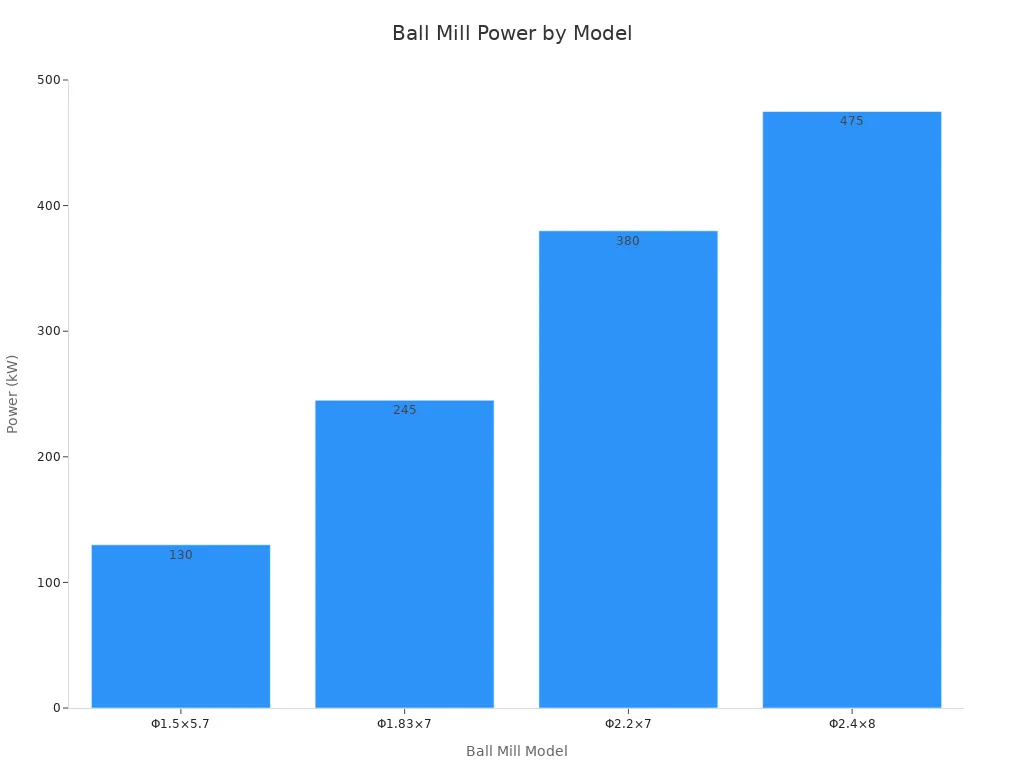
Pick a mill that matches your daily output. If you choose the right size, you avoid slowdowns and keep things running well.
You must follow rules for the environment. Grinding machines should keep dust and noise low. Use machines that stop materials from getting dirty. Make sure your plant follows local rules for emissions and waste. If you grind fine and handle materials right, you lower risks and make things safer. Automation helps you control the process and follow the rules.
Choosing the right ball mills for AAC block production means understanding the main types of grinding mills available. Each type has unique features that affect your process and product quality.
You can select between wet and dry ball mills. Wet ball mills use water or liquid to help grind materials. This method reduces dust and helps you achieve finer particles. Wet grinding works well for silica sand and fly ash. Dry ball mills do not use liquid. They suit materials that do not react well with water, like lime. Dry grinding creates more dust, so you need good dust control.
Tip: Wet ball mills often give you better control over particle size and reduce wear on machine parts.
Feature | Wet Ball Mills | Dry Ball Mills |
|---|---|---|
Dust Control | Easier | Needs extra systems |
Fineness | Higher | Moderate |
Maintenance | Lower wear | Higher wear |
Best For | Silica sand, fly ash | Lime, gypsum |
Planetary ball mills use rotating jars and balls to grind materials. You get very fine and even particles. These mills work best for lab testing or small batches. You can use them to test new raw materials or formulas before scaling up. However, planetary ball mills do not suit large-scale AAC block production. They have low capacity and higher costs for big jobs.
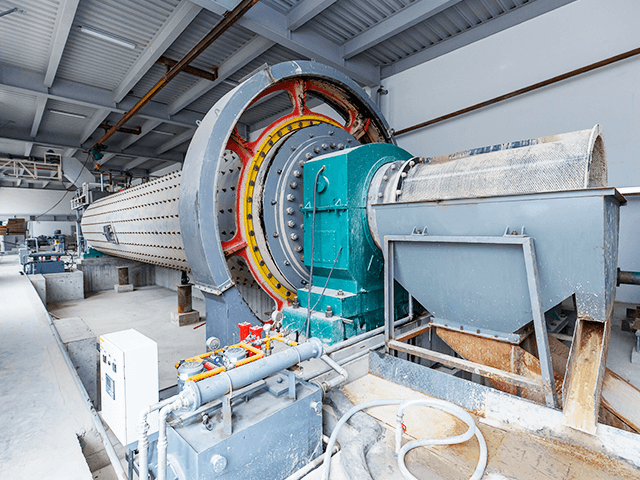
You can choose between batch and continuous ball mills. Batch mills process a set amount of material at one time. They give you more control over each batch. Continuous mills run non-stop and handle large volumes. They suit big AAC factories with steady demand. Batch mills fit smaller plants or special products.
Batch Ball Mills: Good for flexibility and quality checks.
Continuous Ball Mills: Best for high output and lower labor needs.
When you compare these types of grinding mills, think about your raw materials, production scale, and quality goals. The right ball mills help you boost efficiency and meet AAC standards.
Picking the right grinding mill for AAC block production means you must look at many things. You need a machine that fits your work and meets your output needs. It should keep your process safe and efficient. Each part of the machine changes how well it works, how much it costs, and how long it lasts.
You should check the important technical specifications first. These details help you match the machine to your goals. The table below shows what matters most for AAC block production:
Specification | Requirement | Importance |
|---|---|---|
Fineness | ≥92% passing 45 μm sieve | Controls pozzolanic reaction speed |
Moisture Content | ≤1% | Ensures slurry viscosity |
Particle Size Distribution | Consistent | Maintains slurry uniformity and reactivity |
If your machine has the right fineness setting, you can control how fast reactions happen. Keeping particle size steady makes your slurry stable and easy to use. The grinding mechanism spins and rubs to break down particles. This makes the slurry more stable. After grinding, you should store the slurry in tanks with stirrers. This stops sediment from forming and keeps the mix even.
Energy use is a big part of your total cost. You want a machine that uses less power but still works well. Good motors and smart design lower friction inside the mill. Less friction means less heat and less wear on parts. This saves money on energy and maintenance. When you pick a grinding mill, check the motor power and how much material it can handle. A good balance between grinding volume and power keeps your process steady.
Tip: Lower friction saves energy and helps your machine last longer.
The liner and grinding balls inside the machine are very important. Liners protect the mill shell and help move the grinding balls. The right liner material, like rubber or alloy steel, can lower noise and make cleaning easier. Grinding balls come in different sizes and materials. You should pick balls that match your raw materials and how fine you want to grind. The right mix makes grinding better and keeps your process stable.
Liner Material: Pick for strength and easy cleaning.
Ball Size and Material: Match to your raw material and grinding needs.
Safety features keep workers safe and protect your machine. Look for machines with emergency stops, dust control, and covers for moving parts. Automation helps you control the process better. Automated systems can change grinding speed, check particle size, and watch temperature. This lowers mistakes and keeps your product quality high. Automation also helps you follow environmental rules by controlling dust and emissions.
Note: Automated safety checks and controls make your work safer and more efficient.
If you focus on these points, you get a machine that fits your needs, saves money, and works well for a long time. Good grinding mill selection gives you better AAC block quality and a smoother production process.
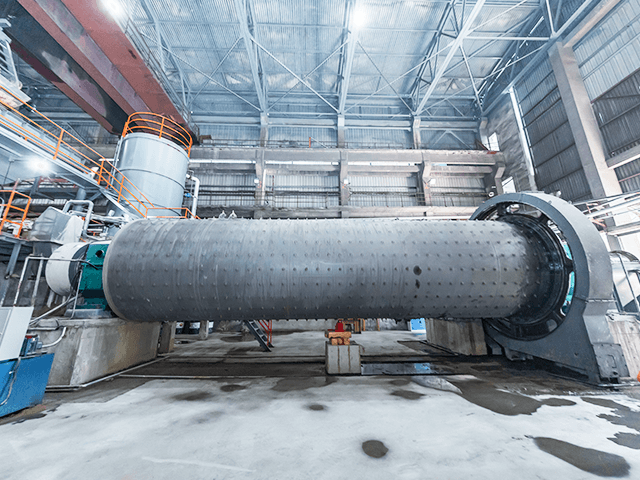
You begin by testing different ball mill models in the lab. You use your raw materials for each test. You check how well each machine grinds the materials. You measure fineness, moisture, and particle size. You write down the results for every trial. You compare how each machine performs. You want a ball mill that gives steady quality and meets AAC block standards.
Tip: Always test in the lab to see if the grinding machine fits your needs. Lab trials help you avoid expensive errors.
After lab tests, you check vendors. You look at each supplier’s reputation and support. You ask for references and case studies from vendors. You see if they offer technical help and spare parts. You compare warranties and service plans. You use a checklist to help you choose. You score vendors on reliability, price, and after-sales service.
Vendor Criteria | What to Check |
|---|---|
Technical Support | Quick help, expert advice |
Spare Parts | Easy to get, fast delivery |
Warranty | Good coverage, long duration |
Price | Fair and clear pricing |
Pick a vendor who gives you good support and value for your ball mill.
You plan with your chosen vendor for installation. You get your site ready for the grinding machine. You follow the vendor’s setup instructions. You check all connections and safety features. You run the machine and watch how it works. You train your staff to use and care for the ball mill. You keep records of the setup process. These records help with future maintenance and fixing problems.
Note: Good installation and setup make sure your grinding machine works safely and well from the start.
Follow these steps to get the best ball mill for AAC block production. You will have steady performance, good quality, and lasting support.
You need to keep your ball mill in top shape to get the best results from your grinding process. Regular checks help you spot problems early. Clean the machine after each use to remove leftover powder and fine powder. Lubricate moving parts to reduce friction and wear. Inspect liners and grinding balls often. Replace them if you see cracks or flat spots. When you grind materials every day, small issues can grow fast. A good routine keeps your grinding process smooth and protects the quality of your powders.
Tip: Set a maintenance schedule and train your team to follow it. This helps you avoid costly breakdowns and keeps your grind steady.
Quick access to spare parts and strong technical support make your ball mill more reliable. You can grind materials without long stops if you have what you need on hand. Here is how spare parts and support help you:
Spare parts let you swap out worn or broken pieces fast, so you keep grinding.
Less downtime means you keep your AAC block production on track.
Technical support gives you expert help when you face problems with the grinding process.
Support teams can guide you through troubleshooting, which keeps your machine running and your powder quality high.
When you grind fine powders or need to keep a steady supply of fine powder, these support systems matter even more.
You must look beyond the price tag when you choose a ball mill for AAC block production. The total cost of ownership covers everything from raw materials to maintenance. The table below shows the main cost factors and ways to save:
Cost Factor | Approximate Percentage of Total | Cost Reduction Strategies |
|---|---|---|
Raw materials | 40-50% | Bulk purchasing, local sourcing |
Labor | 20-30% | Automation, cross-training |
Energy | 15-20% | Efficient motors, off-peak operation |
Maintenance | 5-10% | Preventive maintenance programs |
You can see that raw materials and labor make up most of your costs. Energy and maintenance also play a big part, especially when you grind materials into fine powders. Use efficient motors and plan your grinding process during off-peak hours to save on energy. Preventive maintenance lowers repair costs and keeps your powder quality high.
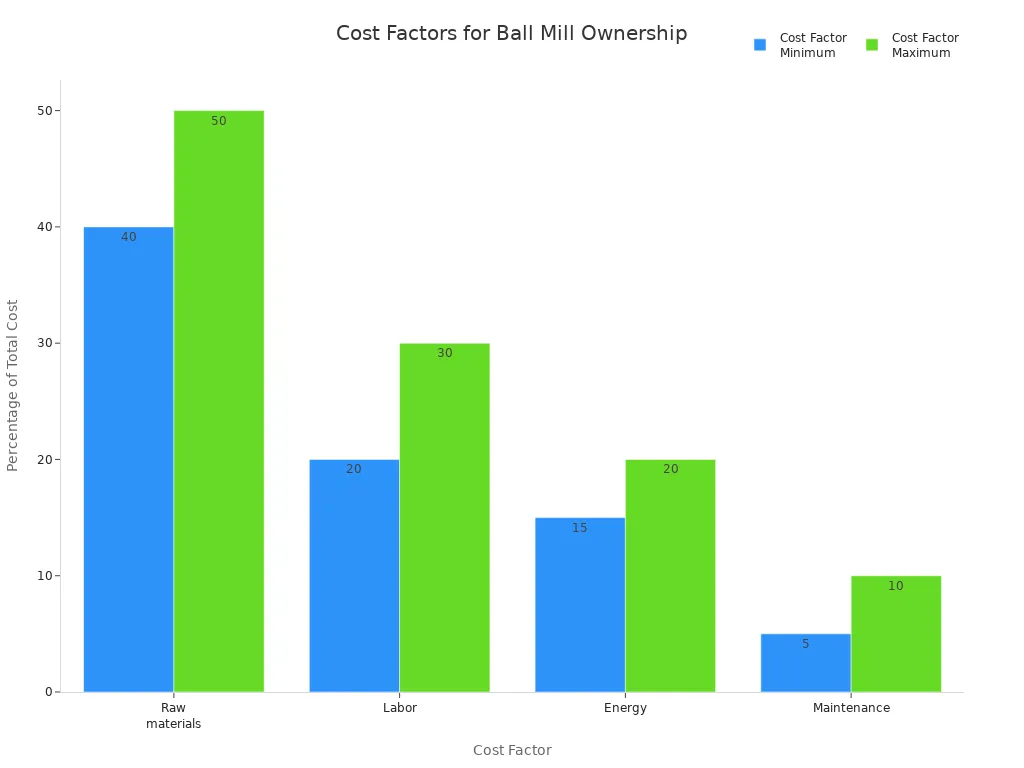
If you manage these costs well, you get more value from your ball mill. You also keep your grind steady and your AAC blocks strong.
You can pick the best ball mill for AAC block production by using a simple plan. First, make sure the ball mill matches your raw materials and what you want your final product to be. Check if the machine can handle how much you need to make and if it works for big jobs. Always test the ball mill in the lab with your own materials to see how it works. Visit other factories that use the same ball mill to find out if it is reliable. Look at the steps for setting up the ball mill and check if it can handle your production needs. Ask for written promises about energy use and how well the ball mill grinds.
Use this checklist when you choose your ball mill:
Set your process limits and how much you need to make.
Try different ball mill models in the lab.
Check what vendors say at other factories.
Look at the setup steps for the ball mill.
Get written promises for how the ball mill will work.
You will have a ball mill that meets your needs and helps you make strong AAC blocks.
You should focus on matching the ball mill to your raw materials and desired fineness. This ensures you get strong, high-quality AAC blocks and efficient production.
You should check and clean your ball mill daily. Inspect liners and grinding balls weekly. Replace worn parts as soon as you notice damage. Regular care keeps your machine running smoothly.
You can use one ball mill for several materials, but you must clean it well between batches. This prevents contamination and keeps your AAC block quality high.
Emergency stop buttons
Dust control systems
Safety covers for moving parts
These features protect your team and help you meet safety standards.