


How to Evaluate AAC Plant Manufacturer Qualifications Industry Experience – Key Metrics

Picking the wrong AAC Plant Manufacturer can cause expensive delays. It can also make products that are not good quality. You might miss chances to do better. You should use clear facts like how well things work and if they last. A step-by-step way to check helps you feel sure and safe. Begin with easy steps and use facts to choose wisely.
AAC Plant Manufacturer Qualifications
Certifications & Standards
It is important to check if an AAC Plant Manufacturer has the right certifications. These certificates prove the company follows rules for safety and quality. Many places need ISO and CE certifications. ISO 9001:2015 shows the company has a good quality system. ISO 14001:2015 means they care about the environment. CE certification shows the products meet European rules. The table below shows which certifications are important:
Certification | Description |
|---|---|
ISO 9001:2015 | Quality management system standard |
ISO 14001:2015 | Environmental management system standard |
CE | Compliance with European market regulations |
Ask to see these certificates. Make sure they are up to date. This helps you avoid problems and follow the law.
Teeyer holds and strictly follows internationally recognized certifications, including ISO 9001:2015 for quality management, ISO 14001:2015 for environmental responsibility, and is an SGS/BV certified supplier. Its products are CE-certified, meeting European safety and quality standards. As a company deeply committed to the "Made in China 2025" vision, Teeyer has built a strong reputation for delivering high-quality, safe, and environmentally responsible AAC production lines to clients worldwide.
Technical Expertise
You should check the skills of the engineering team. Good workers help the plant work well. The table below shows important jobs and what they do:
Role | Key Skills | Responsibilities |
|---|---|---|
Quality Control Technician | Quality control procedures, testing equipment, data analysis, problem-solving | Conduct strength, size, and durability tests, monitor quality parameters, maintain test records. |
Mechanical Technician | Mechanical maintenance, troubleshooting, knowledge of industrial equipment | Maintain and repair production machinery, perform routine inspections, resolve mechanical failures. |
Electrical Technician | Electrical systems knowledge, wiring, troubleshooting | Inspect and maintain electrical systems, repair components, ensure compliance with safety standards. |
Ask about the team’s training and how much experience they have. A skilled team gives you better results and fewer problems.
Teeyer’s experienced team and systematic training reduce downtime, improve output quality, and ensure smooth plant operation—giving you a reliable, high‑performing AAC line with fewer operational issues.
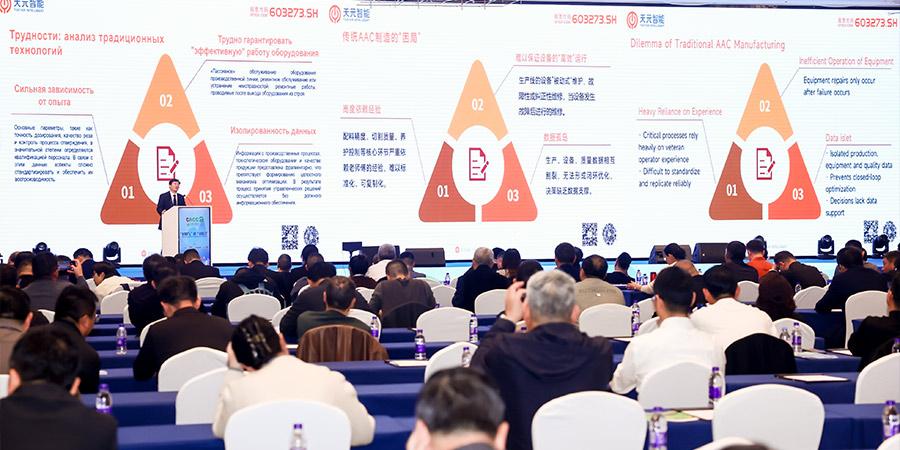
Facility Scale
The size of the plant changes how much the AAC Plant Manufacturer can make. Big plants can make 300,000 to 500,000 cubic meters every year. These plants can handle big jobs in the country and in other countries too.
Scale of Facility | Production Capacity (m³/year) | Impact on Market |
|---|---|---|
Large-Scale | 300,000 - 500,000 | National and International Projects |
Pick a manufacturer with a plant that fits your project. Bigger plants are more reliable and can deliver faster.
Teeyer’s large‑scale manufacturing base ensures high reliability, strict quality control, and faster delivery. You get consistent equipment quality and on‑time project completion, reducing your investment risk.
Our global clients’ results speak for themselves:
India – Tirumala: From initial installation in 2013 to a major upgrade in 2025, Teeyer boosted daily capacity from 900 to 1,500 cubic meters in just two months. The plant’s automation was upgraded to the highest level, with the client calling Teeyer “the brand you can truly trust.”
Thailand – Diamond Group: Teeyer deployed its independently developed “Green Separation” technology overseas for the first time, on a 400,000 m³/year AAC panel line. The newly upgraded 6×1.5m system features high‑precision separation and optimized vertical‑cutting & horizontal‑steaming, significantly improving product pass rates.
Kazakhstan – UNITON (Sensata Group): A fully automated turnkey line delivered in just 11 months—one of the shortest construction periods in Central Asia. The 4.8×1.2m model flexibly adapts from 300 to 1,000 m³/day without increasing peak‑season energy or labor costs. Kazakhstan President Tokayev personally inspected the plant.
From Asia to Europe, Teeyer’s proven track record of quality and on‑time delivery helps global investors build with confidence.
Contact Teeyer today for a tailored AAC plant solution.
Industry Experience & Track Record
Years in Business
You should check how long the company has been open. More years mean the company is stable and reliable. Companies with lots of experience fix problems faster. You can ask when the company started or find it online. Many buyers trust companies with ten years or more. This history shows the AAC Plant Manufacturer has seen many changes and learned from them.
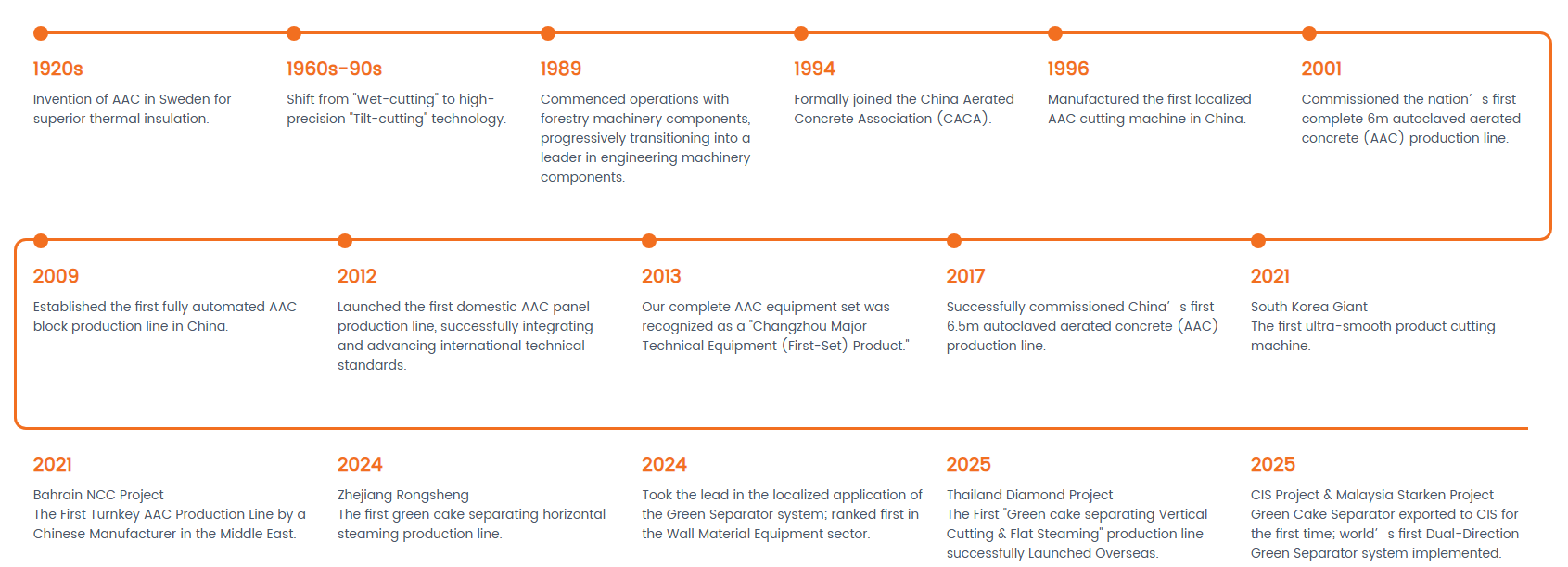
Tip: Ask for a timeline showing the company’s growth. This lets you see how they got better over time.
Project Portfolio
You need to look at the project portfolio. A strong portfolio means the company can do many kinds of projects. Find details about finished plants, their sizes, and where they are. You can use a table to keep your findings organized.
Client References
You must ask for client references. Talking to old clients gives you real feedback. You can learn about delivery speed, product quality, and support after buying. Make a list of questions before you call. Ask about any problems and how the company fixed them. Good references show the AAC Plant Manufacturer cares about customers.
Note: Always look for honest reviews. Stay away from companies that will not share references.
Performance & Quality Metrics
Product Quality & Innovation
You need to check how good the products are. Quality depends on skills, new ideas, and making products. Manufacturers use modern ways to make things and check quality. They also try new ideas and make special products for customers. The table below shows important points:
Criteria | Description |
|---|---|
Production methods, technology level, quality checks | |
Innovation capability | New ideas in technology and products |
Product development | Customization and creation of new items for customers |
Manufacturers fix problems in making products. They improve machines like mixers and cutters. They work on issues like uneven green cake density and demoulding failures. They also fix mistakes with reinforcement cages. Many companies change their steps to use less manual work. This helps make products more consistent. A strict quality control system checks every product. You get reliable products and good help during your project.
Tip: Ask how the manufacturer uses new ideas and checks quality at each step.
Pricing & Cost-Effectiveness
You must compare setup costs and running costs. Prices change based on plant size and how much it can make. Always ask for a list of costs. Check if the manufacturer helps you reach high efficiency and profit.
Sustainability & Environmental Impact
You need to check how the manufacturer cares for the environment. AAC blocks use less energy than regular bricks. They use waste from factories, so less goes to landfills. The process makes less CO₂ because it does not use coal-fired kilns. AAC blocks keep buildings cooler and save up to 30% energy.
Manufacturers must follow strict environmental rules. The U.S. EPA and EU set limits on emissions. Carbon pricing makes companies lower emissions. Environmental Product Declarations (EPDs) show impacts for each product. You can ask for these reports to see how the plant does.
The table below shows common environmental metrics:
Metric | What It Measures |
|---|---|
CO₂ Emissions | Reduction of carbon output |
Energy Use | Total energy consumption |
Water Use | Water consumption levels |
Waste Reduction | Amount of waste minimized |
Plastic Use | Reduction in plastic usage |
Material Efficiency | Effective use of materials |
Noise Pollution | Levels of noise produced |
Chemical Safety Compliance | Safe chemical usage |
Environmental Standards | Compliance with regulations |
Supplier Audits | Checks on suppliers for sustainable practices |
You should look for Environmental Impact Assessments and LEED certificates. These show the manufacturer cares about green practices.
Callout: Ask for EPDs, EIA reports, and LEED certificates to prove sustainability.
Manufacturing KPIs
You must check key performance indicators to track plant quality and efficiency. First Pass Yield shows how many blocks pass inspection the first time. A target of 95% or higher means fewer mistakes and lower costs. If First Pass Yield drops below 90%, you waste money on bad materials.
Cost of Poor Quality tracks losses from mistakes and fixing them. High First Pass Yield and low Cost of Poor Quality show strong processes. You also need to check gross margin percentage, equipment utilization rate, and fixed cost absorption rate. These KPIs help you measure profit and success.
You feel confident when you track these metrics. You make smarter choices and avoid expensive mistakes.
Evaluation Process Steps
Feasibility Study
Begin by doing a full feasibility study. This step shows if your project can work. You need to check technical and money factors. Use the table below to help you review:
Component | Description |
|---|---|
Technical Feasibility | Look at plant layout, equipment needs, and safety rules. |
Financial Planning | Figure out investment, running costs, and possible income. |
Machinery and Equipment | List special machines and focus on automation for better results. |
Quality Control Measures | Test blocks for strength, density, and moisture. |
Environmental Impact | Check how the plant uses waste and saves energy. |
Sustainable Resource Utilization | Find recycling and ways to cut waste. |
Energy Efficiency Benefits | See how blocks help lower energy use in buildings. |
A good feasibility study also checks risks. You should look at upfront costs, equipment quality, and how easy it is to grow. Use money models to guess costs and profits. Find technology that saves energy and cuts waste.
Credential Verification
You must check each manufacturer’s credentials. Follow these steps:
Look at the company’s reputation and project history.
Make sure they have experience and know safety codes.
Ask for details about engineering and design standards.
Request proof of performance and environmental testing.
Check if they offer 24×7 service support.
Contact references and do background checks.
This process helps you avoid unreliable suppliers. Teeyer delivers proven reliability: 1,200+ AAC lines in 30+ countries. ISO 9001, CE certified. 60+ R&D engineers provide DCS automation and MES integration. Pre‑investment testing and waste‑heat recovery cut energy costs. 24/7 spare‑parts support and remote diagnostics. Trusted by Xinfa Group, Sensata (Kazakhstan), and Chin Hin Group.
Questions to Ask
Make a list of questions before meeting manufacturers. Good questions include:
How do you fix technical problems during setup?
What is your process for quality control?
Can you share recent project results?
How do you help clients after installation?
What steps do you take for environmental compliance?
These questions help you compare suppliers and find the best fit.
Red Flags
Watch for warning signs during your evaluation:
Missing or expired certifications
Bad client references or no references at all
No clear answers to your questions
No proof of quality or environmental testing
Slow communication or unclear pricing
Tip: If you see these red flags, look for other options to keep your investment safe.
Caring for the environment is important. Top manufacturers use less energy and make less pollution. This helps you reach green building goals. Watch how things work to find problems early. This helps you waste less and keep more money.
You will:
Find slow spots.
Make things move faster.
Keep spending under control.
"Plant owners need a simple way to decide. They must know what really slows things down. They should see what is just small problems. They need to spot when things start to go wrong. They must pick actions that lower risk, not make things harder."
Begin checking today with these tips. You will feel sure and avoid big mistakes.
FAQ
What certifications should you check for when choosing an AAC plant manufacturer?
You need to check for ISO 9001:2015, ISO 14001:2015, and CE certifications. These certificates prove the manufacturer follows rules for quality, safety, and the environment.
How do you verify a manufacturer’s experience?
Ask for a list of finished projects and client references. Look at what projects they have done. Talk to old clients to learn about their work. This helps you see if the manufacturer is reliable.
Why do manufacturing KPIs matter?
KPIs like First Pass Yield and Equipment Utilization Rate show how well the plant works. High scores mean the plant makes good products and earns more money.
What questions should you ask during evaluation?
Tip: Ask about technical support, quality control steps, and after-sales service. Ask for proof of certifications and results from recent projects.


